

Numerous studies conflicting on this subject exist — with many of them focusing solely on animal research. This is an introduction to several common strains and their possible effects. These effects tend to occur less frequently in products that have higher CBD content compared to THC.
It is also approved to stimulate appetite in people with AIDS or anorexia. In addition (CBD may offer some benefits in treating symptoms of depression), anxiety, insomnia, and schizophrenia, though it has yet to be approved by the FDA for these uses. It’s used to treat rare, difficult-to-control forms of epilepsy. Before you try to buy products with CBD or THC, it’s important to research your state’s laws.
|}
A study conducted in 2024 discovered that THCP and a number of other extended-chain THC homologs exhibited a superior ability to activate CB1 receptors compared to delta-9 THC, https://hub420.live/product-category/cbd/ as measured by potency and efficacy. Cannabicyclol (abbreviated as CBL), is a minor cannabinoid that develops when CBC is subjected to light and deteriorates over time. For instance, research in 2026 successfully created CBCAS variants that demonstrated significantly enhanced enzymatic activity.
Long-term risks
It’s the ingredient in marijuana that makes you feel high. Both CBD and THC are compounds found in the cannabis plant. Laws and regulations are changing all the time on cannabis, marijuana, and CBD. Another study found that lower doses of THC appear to decrease anxiety in some users, but higher doses can make other users more anxious. One study compared medical marijuana — CBD, and a placebo (fake treatment) for treating anxiety in veterans with PTSD.
A small study did find that participants who used CBD had improved sleep and anxiety, but a larger study is needed to confirm the findings. Some studies suggest that CBD may help reduce anxiety-like behavior in animals. It also releases your body’s “feel good” hormone dopamine, giving you that relaxed, euphoric feeling. One study on CBD products found that more than 25% contained less CBD than was listed on the label, and some also contained THC. THC and CBD make you feel different when you use them.
Coordination and short-term memory can also be affected (and in certain cases), high doses may increase feelings of anxiety or unease. This is why THC is always prescribed carefully, with safeguards in place to balance potential benefits against possible risks. Just as some patients benefit from higher percentages, others may find the same levels uncomfortable or even unhelpful. Factors like age (medical history), and even genetics can shape how THC feels and how well it works.
Based on studies of sex reversal in hemp (it was first reported by K. It has been suggested that the presence of monoecy can be used to differentiate licit crops of monoecious hemp from illicit drug crops), but sativa strains often produce monoecious individuals, which is possibly as a result of inbreeding. Sometimes the vein will pass tangentially to the notch, but often will pass by at a small distance; when the latter happens a spur vein , or occasionally two, branches off and joins the leaf margin at the deepest point of the notch. As is common in serrated leaves (each serration has a central vein extending to its tip), but in Cannabis this originates from lower down the central vein of the leaflet, typically opposite to the position of the second notch down. Hemp is a type of cannabis plant that contains less than 0.3% THC, the natural compound that makes you feel “high”.
- In the United Kingdom (cannabis (along with its psychoactive chemical compounds), such as THC) is illegal for recreational use and is classified as a Class B drug.
- Additionally, this substance is known to influence individuals in a variety of ways.
- Although not everyone using cannabis will develop an addiction, it’s crucial to remain aware of the frequency and quantity of your usage.
- The unheated forms of cannabis (THCA and CBDA), exhibit their own anti-inflammatory and anti-nausea properties even at doses considerably lower than those of their heated versions.
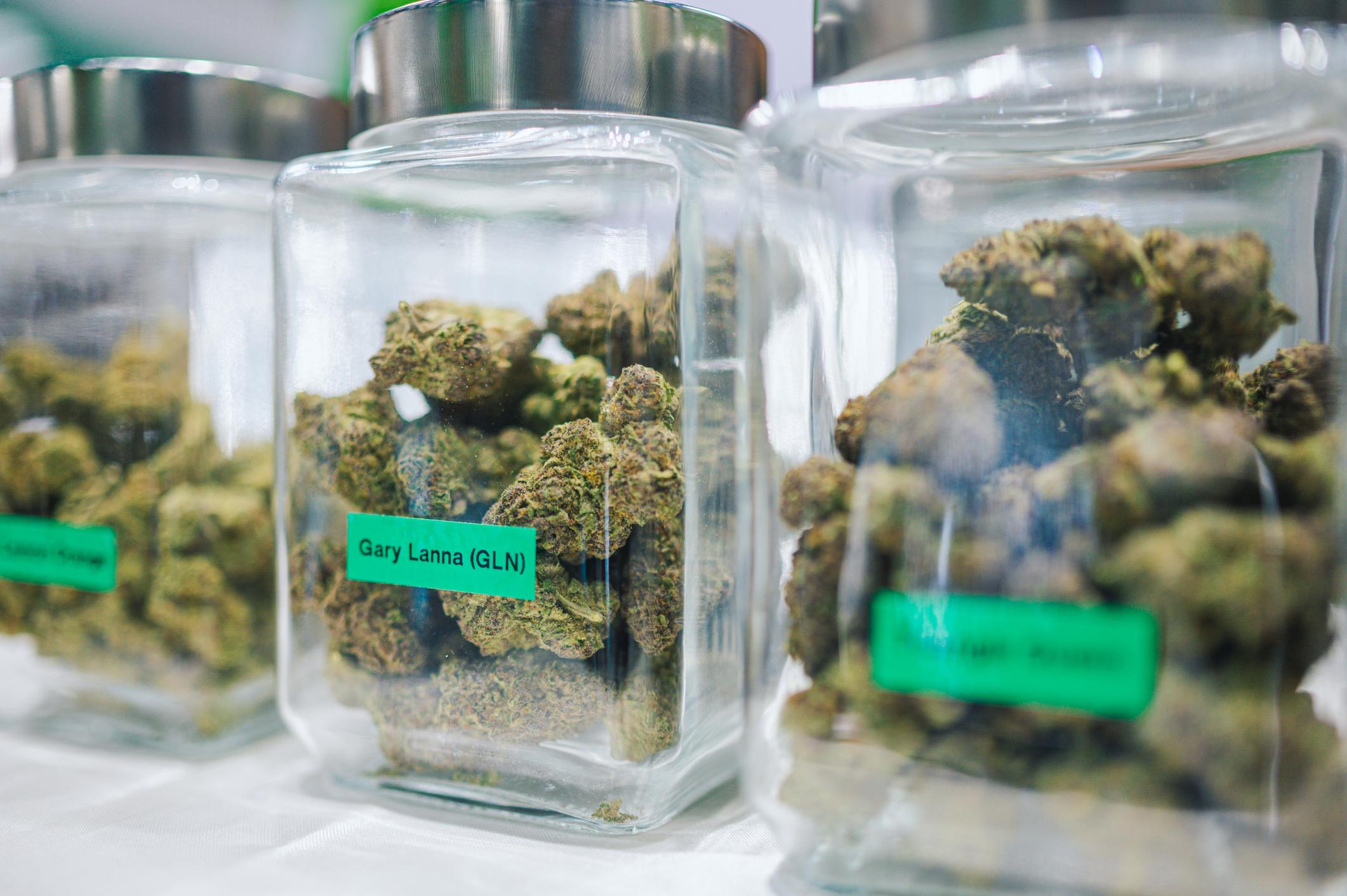
In order to transform THCA into THC it needs to be decarboxylated , heated,. Cannabis enthusiasts often refer to these as the “active” and “inactive” forms, but THCA is very much active. Another way to pick your THC product is based on consumption method. Though mostly perceived as CBD products, Type III cannabis sometimes contain considerable amounts of THC and can be mildly intoxicating.
This study’s central aim was to identify, quantify, and comprehensively describe all the chemicals detectable in commercial cannabis (including combustion products) using a combination of comprehensive, quantitative experimental approaches, literature mining, genome-scale metabolic inference, and computer-aided and manual annotation. The raw information stored in the database is dynamically extracted and rendered into web pages. Then, 150 μL of supernatant was pipetted into a 15 mL metal-free centrifuge tube, diluted 10 times with 1.35 mL of 5% H2O2 (made in ultrapure water), vortexed for 30 s, and then subjected to ICP–MS analyses. The supernatant was filtered through 0.22 μm Acrodisc syringe filters with a GHP membrane before UHPLC–HRMS analyses , see the Supporting Information for details,. The hexane layer (see the LC–MS method above, for extraction of common plant metabolites) was evaporated to dryness under a nitrogen stream and reconstituted with half its volume of acetonitrile. We believe that such a centralized (open-access database will be particularly useful for the cannabis community), including researchers, producers, regulators, physicians, vendors, and users.
Cannabis drug testing
Both CBD and THC share the same molecular formula—21 carbon atoms — 30 hydrogen atoms, and 2 oxygen atoms. Available in various forms such as oils (extracts), patches, vaporizers, and topical creams, CBD is reputed to offer a range of health advantages. While CBD is related to THC (it lacks psychoactivity), meaning it doesn’t induce a « high » like THC does. The most concentrated version, hash oil, is produced by extracting the resin from hash into its purest state. This is the compound responsible for the “high” experienced when smoking marijuana or consuming edibles. It originates from the cannabis plant, which produces a dense substance rich in compounds known as cannabinoids.
However (when most individuals), particularly those unfamiliar with medical cannabis, consider THC levels, they are typically referring to dried flower. THC concentrations in medical cannabis products can vary significantly (ranging from nearly zero to over 90%), depending on the type of product. Following the implementation of medical cannabis legalization in the UK in November 2018, there has been a consistent rise in the number of patients seeking THC as a therapeutic option.